What Works, To Communicate about the Climate Crisis?
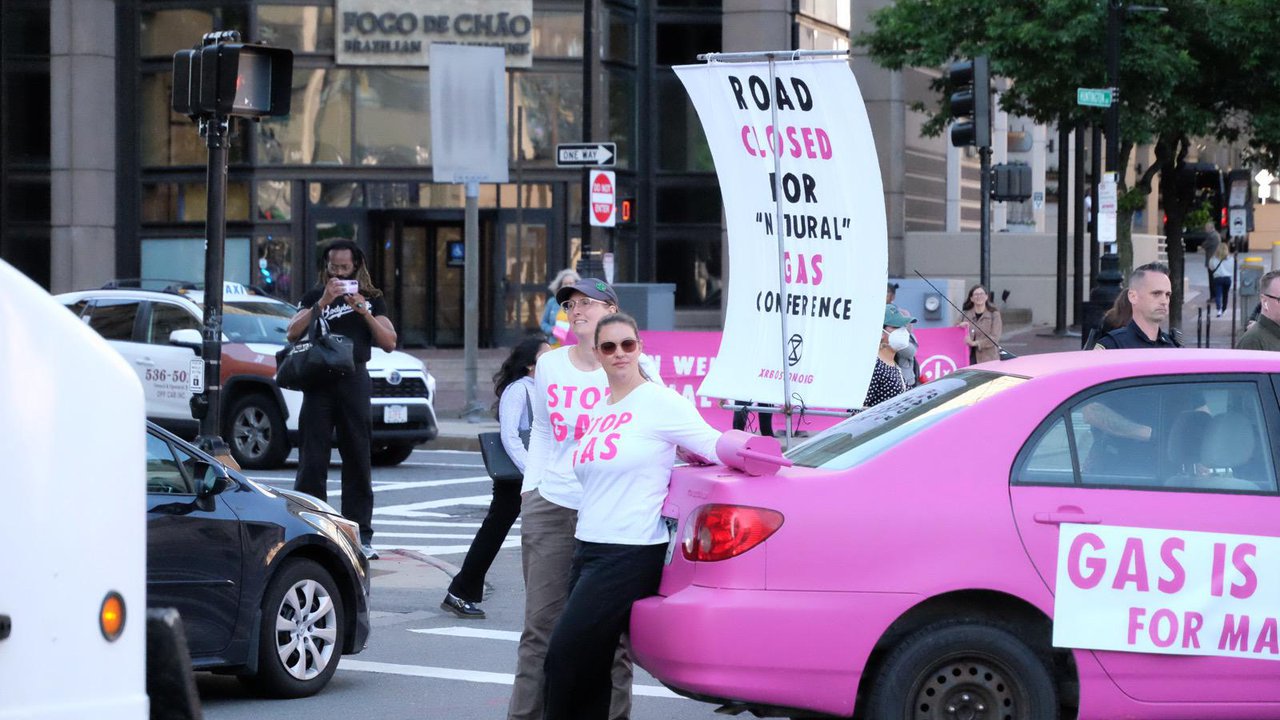
Surely it's happened to you already. You've been scrolling social media, or sent a link from a friend, and you've come across a video or article that stops you in your tracks. Maybe it's a photo from a devastating climate disaster. Maybe it's footage of disproportionate police response to peaceful protestors. Maybe it's an interview from someone whose home and livelihood are gone forever because our planet's resources are running out. It's visceral. It's human. It haunts you, maybe just a little bit.
But does it inspire you into action? Two recent scientific studies have kicked up fresh conversation in the climate movement about what kind of messaging is most effective for us.
In 2024, the journal "Science Advances" published the study "Addressing climate change with behavioral science: A global intervention tournament in 63 countries". This study essentially outlines the trap of climate catastrophism, and concludes that catastrophism is great for social media shares but not good at producing real world action. The study found that moral framing and scientific consensus help to sway people on the edge of agreement, especially messages that leave people feeling like they’re part of something bigger, and feeling capable rather than overwhelmed. However, inspiring content doesn’t travel well online and doom does! The researchers concluded that the content that spreads online doesn't help to get people in motion, but the content that inspires people doesn't get shared as widely.
Another study released in 2026 called "Climate Change Messaging and Mental Health," available in the journal "Sustainable Development," suggests that fear-based climate communications negatively impact public mental health. The study explores how "alternative positive messaging frameworks can serve as sustainable interventions." Basically, bumming people out doesn't empower them to take action, and makes their mental health worse.
How can we tell the truth about the climate crisis without paralyzing and disempowering our audience? This is the line that XR Boston is walking all the time with our actions and messaging. We want to know what works. If this inquiry is interesting to you, you might be a good fit for our Media & Messaging working group, which meets monthly by Zoom to make decisions about the chapter's social media, journalist relations, and more! Email XRBoston.Media@gmail.com for more information.
Related Stories:
Featured:
-
Hint: It's because of Climate Collapse
-
At what point does it become a moral imperative for all of humankind to participate in civil disobedience?
-
How to bank responsibly in an era of climate collapse.
-
Open Letter to drivers inconvenienced by general disruption protests
-
A compilation of books, movies, articles, and ways to take action to protect Black lives
-
Nadia Colburn, PhD and member of Extinction Rebellion Media team, discusses how to talk about the climate and ecological crisis with family and friends.
Upcoming Events:
-
Tue Oct 13th @ 7:30 p.m.
-
Thu Oct 22nd @ 7 p.m.
-
Sun Oct 25th @ 10 a.m.